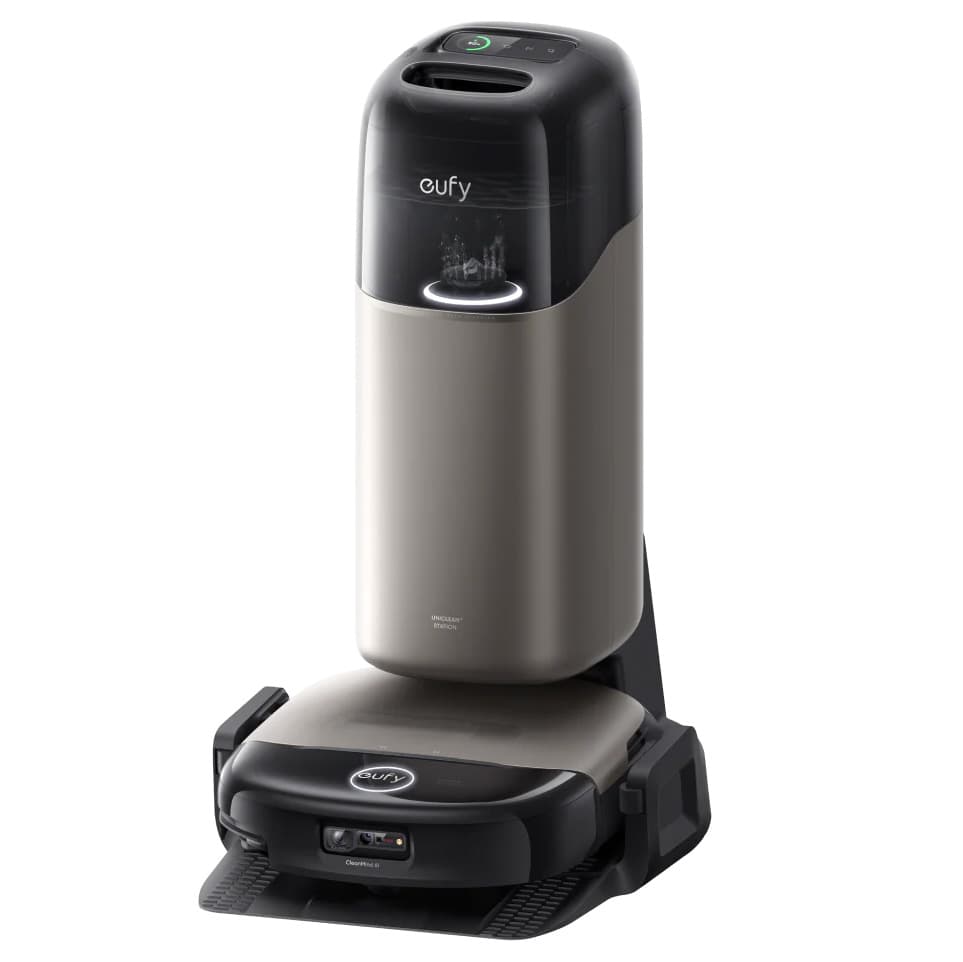
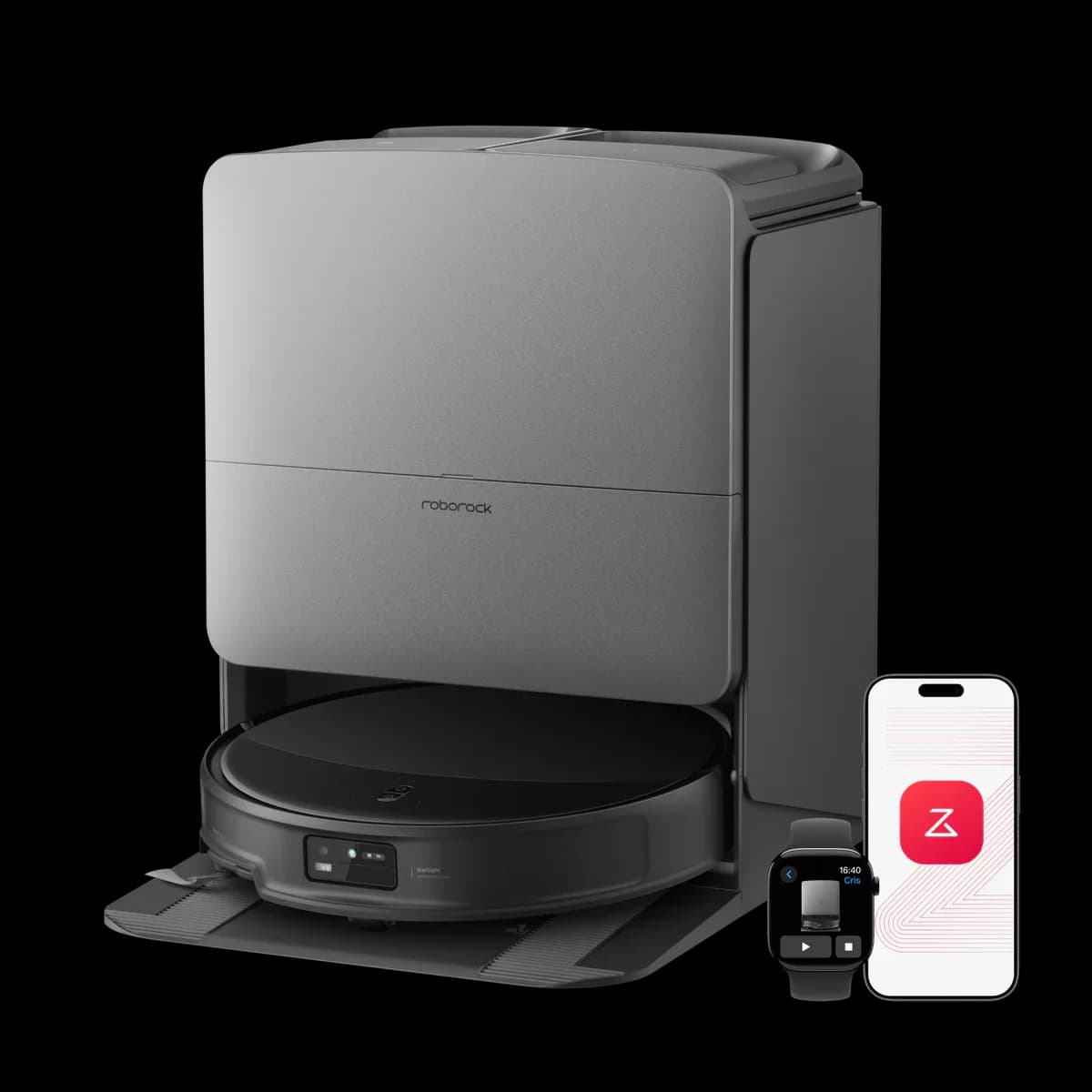
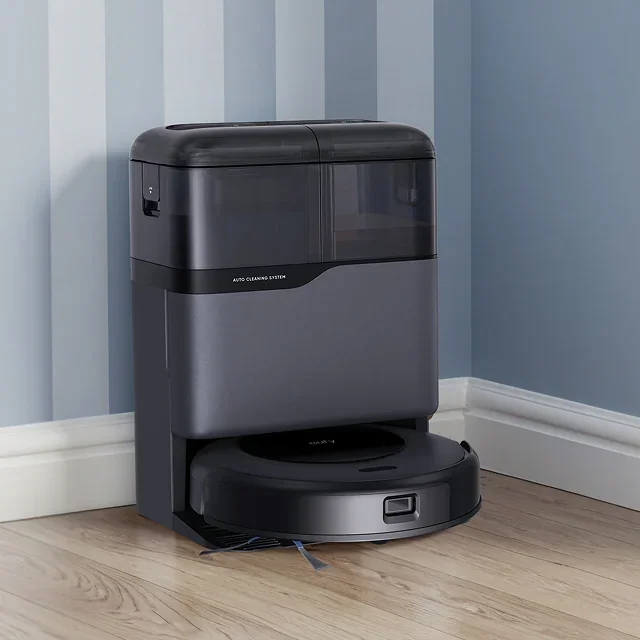
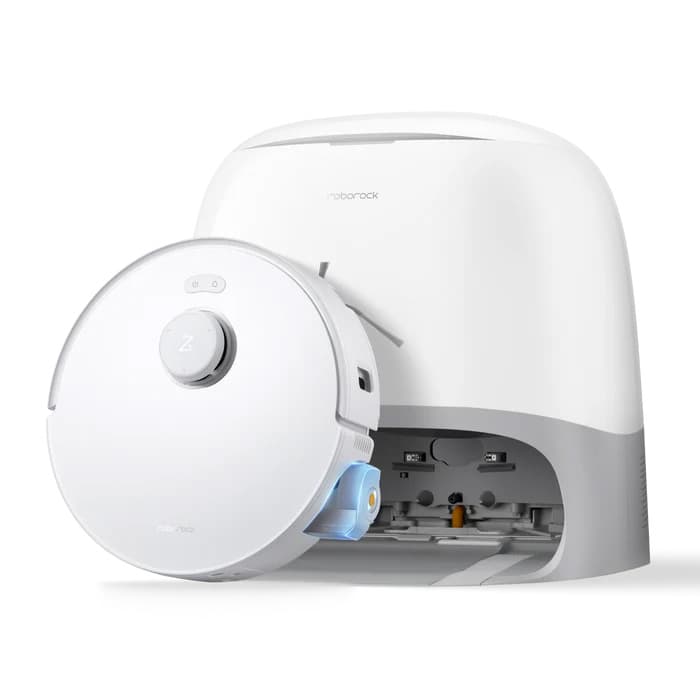
You're scrolling through Amazon at midnight, and it's come down to two brands: Eufy and Roborock. Sound familiar? You're not alone in this dilemma. These are two very popular brands with different philosophies for how to approach robot vacuums.

Eufy has a reputation for keeping things simple and budget-friendly, while Roborock is known for going all-in on premium features and cutting-edge tech. Both brands make excellent vacuums, but the right choice depends on what matters most to you: saving money or getting every bell and whistle available.
Let's break down exactly where each brand shines, so you can stop second-guessing yourself and actually get your floors clean.
Before we dive into the nitty-gritty comparisons, it helps to understand where these companies are coming from. Think of it like comparing Toyota to BMW - both make reliable cars, but their priorities are totally different.
Eufy is actually owned by Anker, the same company that probably made the phone charger you use every night. They bring that same "make it work reliably without breaking the bank" philosophy to robot vacuums.
Walk into any Eufy owner's house, and you'll likely find someone who just wanted a robot vacuum that works without needing a computer science degree to operate it. Their app won't win any design awards, but it gets the job done. Their vacuums don't have 47 different suction modes, but they'll clean your floors consistently for years.
This isn't to say that don't have any premium and cutting-edge products or features, but "keeping it simple" is their bread and butter.
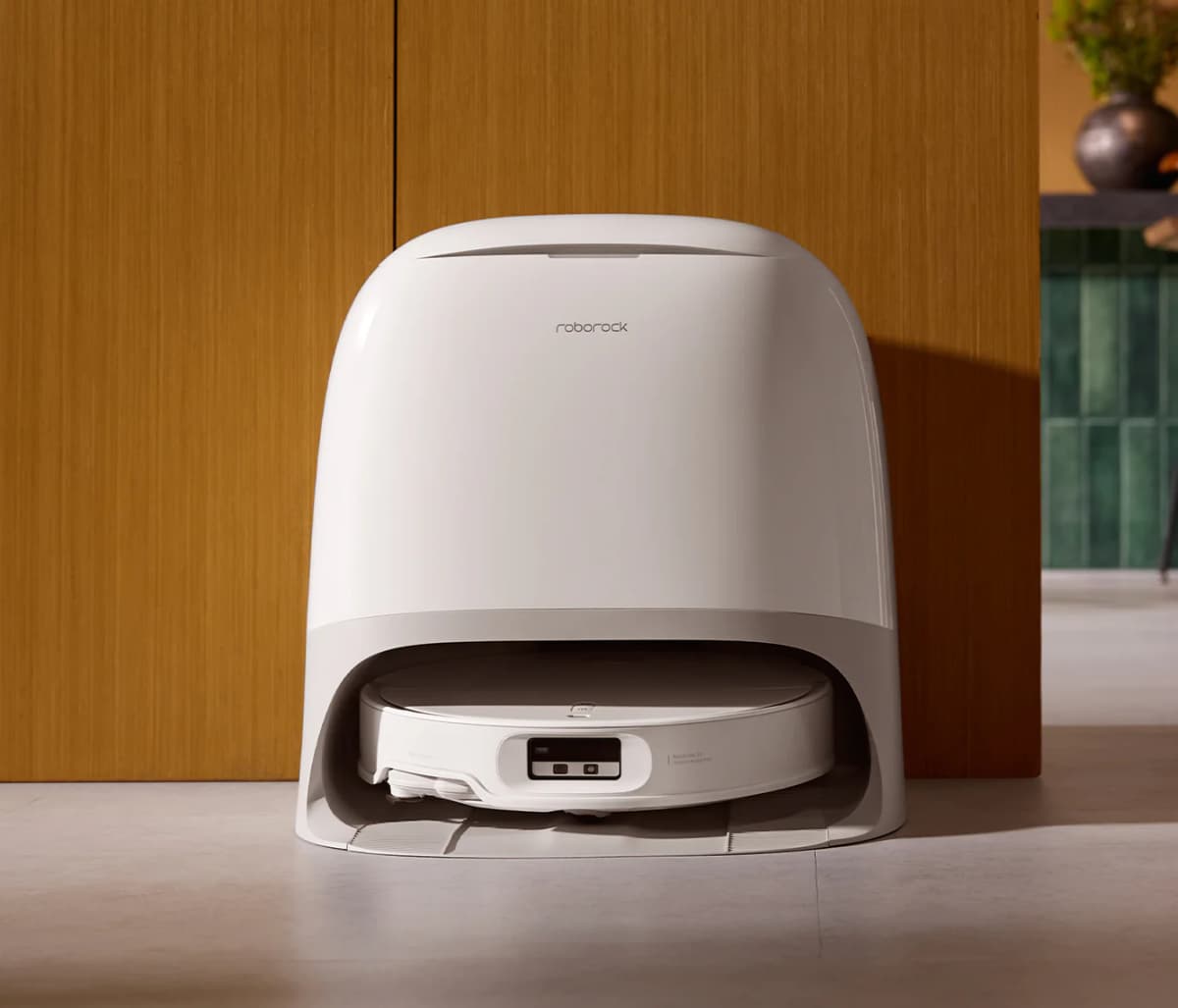
Roborock, on the other hand, is like that friend who always has the latest iPhone on launch day. They started as a Xiaomi spin-off and have been pushing the envelope on what robot vacuums can do ever since.
These are the folks who gave us features like real-time mapping, room-specific cleaning schedules, and mops that actually work. When Roborock launches a new vacuum, the first question isn't "how much does it cost?" but "what can it do that nothing else can?"
One of their latest vacuums is the first on the market to have a mechanical arm that can actually pick up small objects throughout your home.
Both brands now use LiDAR-based navigation across most of their lineups, but Roborock invests more heavily in pushing the technology forward at the premium end.
Eufy has moved well past the random-bump navigation days. Today, even their budget L60 series uses full LiDAR mapping with systematic cleaning paths, room recognition, and no-go zones. The only exception is their ultra-slim C series, which trades the LiDAR turret for point-laser navigation to squeeze under low furniture.
Step up to the X10 Pro Omni, and you add AI.See camera-based obstacle avoidance trained on tens of thousands of objects. The flagship S1 Pro goes further with 3D MatrixEye binocular depth vision for more precise detection. Multi-floor homes get support for up to five stored maps with automatic floor recognition.
Roborock has always pushed navigation hard, and they've widened that lead. Their Qrevo series uses PreciSense LiDAR with Reactive AI obstacle avoidance via RGB cameras and structured light. The newer Qrevo Slim and Curv models feature StarSight – a dual-transmitter solid-state LiDAR with 3D Time-of-Flight sensors that can detect objects as small as 2cm.
The 2025 Saros series takes it further. The Saros Z70 is the first robot vacuum with a mechanical arm that can pick up small obstacles (socks, slippers, tissues) and relocate them before cleaning. Multi-floor mapping supports four floors with automatic recognition, and Roborock's app remains the most feature-rich in the industry.
Both brands clean well, but they take noticeably different approaches to the fundamentals.
The suction gap between these brands has grown significantly. Eufy's current lineup ranges from 4,000 Pa on the budget C10 up to 20,000 Pa on the E25 and E28, with most mid-range models sitting at 8,000 Pa. Roborock pushes higher across the board – their entry Qrevo S delivers 7,000 Pa, while premium models like the Qrevo CurvX and Saros Z70 hit 22,000 Pa.
But as always, raw numbers only tell part of the story. Brush design matters more for daily performance, and this is where Roborock has invested heavily. Their DuoDivide brush system – two parallel rollers with a gap between them – channels hair directly to the dustbin inlet instead of wrapping around the brush. It's SGS certified for 0% hair entanglement, and in practice, it actually works. Eufy counters with their Pro-Detangle Comb, which reverses the roller to flick off wrapped hair, plus DuoSpiral brushes on the E-series that resist tangling. Both approaches help, but Roborock's design requires less intervention.
For edge cleaning, both brands now offer extending side brushes on premium models – Roborock's FlexiArm and Eufy's CornerRover – that reach into corners where fixed brushes miss.
This is where the competition has gotten genuinely interesting. Neither brand treats mopping as an afterthought anymore.
Eufy's flagship S1 Pro introduced their HydroJet system – a roller mop that rinses itself in real-time using a dual water reservoir, spinning at 170 RPM with 1 kg of downward pressure. It's excellent at handling wet spills and dried stains without spreading dirty water around. Their X10 Pro uses MopMaster 2.0 with dual spinning pads at 180 RPM. Both lift their mops 12mm when carpets are detected.
Roborock offers two mopping philosophies. Their S-series uses VibraRise sonic mopping – a vibrating pad that scrubs up to 4,000 times per minute and lifts up to 20mm on the S8 MaxV Ultra. The Qrevo series opts for dual spinning pads at 200 RPM. Both systems pair with docks that wash mops in hot water (up to 75-80°C) and dry them with warm air.
The practical difference: Eufy's HydroJet keeps the mop cleaner during cleaning, while Roborock's sonic technology scrubs more aggressively and their higher mop lift handles thicker carpets without issue. Pet owners or homes with lots of carpet may find Roborock's approach more forgiving.
Both brands offer solid value, but at different price points and with different priorities.
This is Eufy's home turf. Their C10 with self-emptying dock is one of the cheapest robots with automated dust collection, and their L60 adds full LiDAR mapping at a modest step up. Both deliver features that cost significantly more just a couple years ago.
Roborock has pushed into this space recently with the Q7 M5+ and QV 35A, bringing LiDAR navigation and full-featured docks to budget buyers. If price is your main concern, both brands now compete seriously here – a shift from when Roborock had little to offer cost-conscious buyers.
This is where things get competitive. Eufy's X10 Pro Omni delivers the full package: 8,000 Pa suction, AI obstacle avoidance, dual spinning mops with auto-lift, and an all-in-one dock. It's arguably the best overall value from either brand.
Roborock counters with models like the Qrevo S5V and Qrevo CurvX, offering higher suction, their superior DuoDivide anti-tangle brush system, and the AdaptiLift chassis for climbing thresholds. Your choice depends on priorities: Eufy for value, Roborock for raw capability.
Once you're spending flagship money, Roborock runs away with it. The Saros Z70 features a mechanical arm that picks up small obstacles before cleaning – genuinely futuristic stuff. The S8 MaxV Ultra offers 10,000 Pa suction, 20mm mop lift, and AI object recognition.
Eufy has entered this space with the S1 Pro Omni and its innovative HydroJet self-rinsing mop, plus the E25/E28 with 20,000 Pa suction. These are competitive flagships, but Roborock still pushes further at the top end.
Your robot vacuum's app is something you'll interact with daily, so this matters more than you might think.
Eufy's EufyHome app gets the job done without any fuss. It's not going to win design awards, but you can schedule cleanings, check battery status, and set no-go zones without confusion. Think of it as the functional older sibling - not flashy, but reliable.
Roborock's app is genuinely impressive. The real-time mapping is almost hypnotic to watch, and you can do things like draw virtual barriers with your finger or tell it to clean just around your dining table. The room recognition is smart enough that you can say "clean the kitchen" and it knows exactly what you mean.
Both integrate with Alexa and Google Assistant, so you can shout at your smart speaker to start cleaning when you leave for work.
Nobody thinks about this when buying, but robot vacuums need regular maintenance like any appliance.
Eufy keeps things simple here too. Replacement parts are generally cheaper and easier to find. A new filter might cost $10-15, and brushes are similarly affordable. The trade-off is that some parts might need replacing more frequently, especially if you're dealing with heavy pet hair.
Roborock parts tend to cost more upfront but often last longer. Their anti-tangle brush designs mean less frequent replacements, and their build quality generally feels more premium. Both brands offer decent warranty coverage, though Roborock's tends to be slightly more comprehensive.
For what it's worth, both brands have pretty active user communities online, so finding troubleshooting help or maintenance tips is usually pretty easy.
After testing both brands extensively, here's who should buy what:
Choose Eufy if:
Choose Roborock if:
For most people, honestly, either choice will work fine. The worst robot vacuum from either brand is still better than manually vacuuming every day (or let's be real, every week).
Both Eufy and Roborock make solid robot vacuums that'll keep your floors cleaner than you probably keep them now. Eufy wins on value and simplicity - they make solid vacuums without the feature bloat or premium pricing. Roborock wins on innovation and advanced capabilities, especially if you want the closest thing to a fully automated cleaning system.
The real question isn't which brand is "better," but which philosophy matches your needs. Want to spend less and get 80% of the cleaning performance? Go Eufy. Want every bell, whistle, and AI-powered feature available? Roborock is your brand.
Either way, your floors will thank you, and you'll wonder why you waited so long to join the robot vacuum revolution.