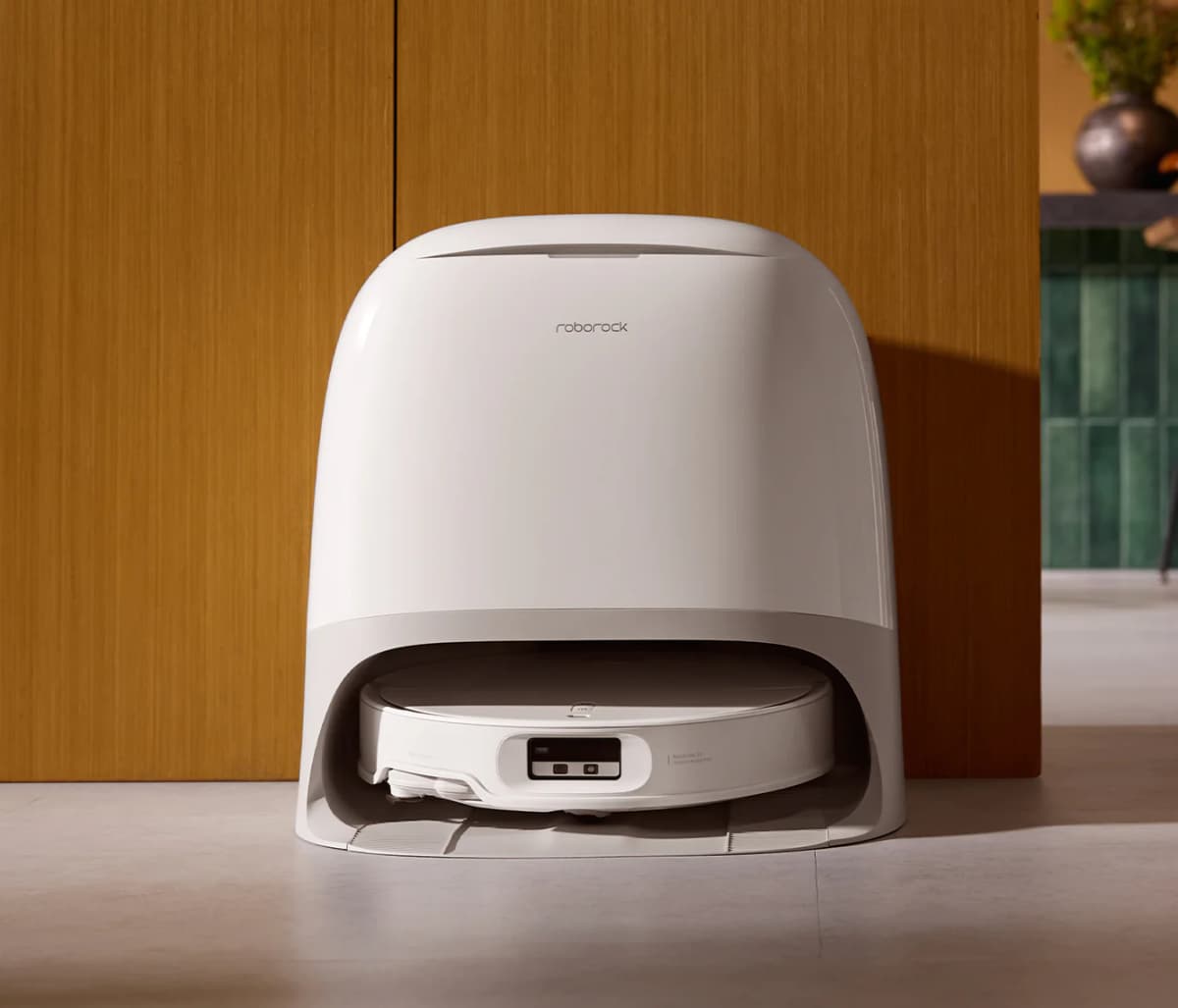
Here's something that might surprise most robot vacuum shoppers: Dreame and Roborock, two of today's most innovative brands, both started their journeys in China within a few years of each other. But that's where the similarities end. While Roborock took the slow and steady path to premium status, Dreame decided to shake things up with aggressive pricing and cutting-edge features that sometimes feel almost too good to be true.

Here's something that might surprise most robot vacuum shoppers: Dreame and Roborock, two of today's most innovative brands, both started their journeys in China within a few years of each other. But that's where the similarities end. While Roborock took the slow and steady path to premium status, Dreame decided to shake things up with aggressive pricing and cutting-edge features that sometimes feel almost too good to be true.
Both brands have earned serious respect in the robot vacuum world, but they've done it in completely different ways. Roborock built its reputation on rock-solid reliability and premium materials (yes, the name is a bit on-the-nose). Dreame? They've been the disruptor, offering flagship features at prices that make you wonder if there's a catch.
If you're trying to choose between these two powerhouses, you're basically deciding between two different philosophies of what makes a great robot vacuum. Let's dig into what really sets them apart.
The story of these two companies reads like a tale of two strategies. Both emerged from China's tech boom, but they took dramatically different approaches to conquering the global robot vacuum market.
Roborock's journey started back in 2014, but most people first encountered them through their partnership with Xiaomi. Those early Xiaomi Mi Robot vacuums? Yep, that was Roborock doing the heavy lifting behind the scenes. But here's what's clever about Roborock's strategy: they used that partnership as a launching pad, not a crutch.
When Roborock went independent and started selling under their own name, they'd already spent years perfecting their engineering. The result? A brand that immediately commanded premium prices because they'd proven they could deliver premium performance. Their S-series vacuums didn't just compete with Roomba - in many ways, they surpassed them.
What really set Roborock apart was their obsession with precision. While other brands were playing catch-up with basic navigation, Roborock was already working on multi-floor mapping and room-specific cleaning schedules. They built their reputation on being the "thinking person's" robot vacuum - more expensive than budget options, but with the engineering chops to justify every dollar.
Dreame took a completely different approach when they entered the scene in 2017. Instead of slowly building premium credibility, they decided to flip the script entirely. Their strategy? "Why should cutting-edge features cost premium prices?"
Dreame's parent company, Xiaomi's Ecosystem, gave them access to serious R&D resources, and they used every bit of it. While Roborock was perfecting their premium positioning, Dreame was cramming AI-powered object recognition, self-emptying bases, and advanced mopping systems into vacuums that cost hundreds less than the competition.
The result is a brand that moves incredibly fast. Dreame releases new models at a pace that would make your head spin, each one packed with features that feel like they belong in a much more expensive vacuum. Sometimes this rapid iteration means the software isn't quite as polished as Roborock's - but the value proposition is undeniable.
When you pick up a Roborock and a Dreame side by side, you'll immediately notice the difference in philosophy. Both are well-built, but they're built for different priorities.
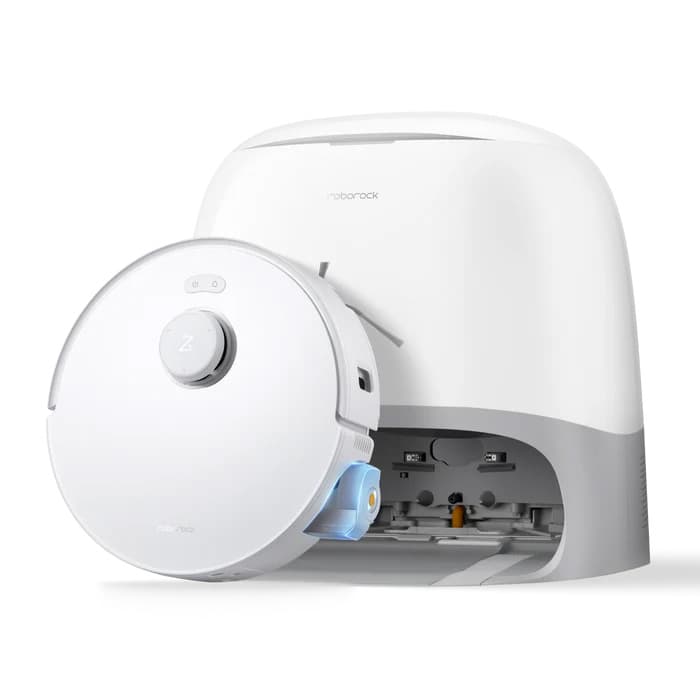
Roborock vacuums feel expensive because they are expensive - and they don't try to hide it. The plastic feels denser, the buttons have a more satisfying click, and every component seems designed to last. Premium models like the Qrevo and Saros lines use a matte finish that looks sleek and hides fingerprints well, though this varies by model and color choice.
But it's not just about looks. Roborock's build quality shows in real-world durability. Their premium line feature the DuoDivide brush system, which is SGS-certified for zero hair entanglement. This design uses two parallel short bristle rollers that guide hair toward a central inlet where suction removes it, rather than letting it wrap around the brush and slowly degrade it.
Roborock's official guidance suggests their vacuums last 4 to 6 years with proper maintenance - a lifespan supported by reviews noting their sturdy construction. Premium models like the Saros Z70 specifically tout "durable materials and advanced components designed for reliable performance over time." Of course, that longevity depends heavily on regular filter cleaning, brush replacement, and keeping sensors clear of debris.
Dreame takes a more pragmatic approach to build quality. Their vacuums don't feel cheap, but they're clearly optimized for function over premium aesthetics. The plastic is solid but not luxurious, and the overall design prioritizes easy maintenance and feature access over premium materials.
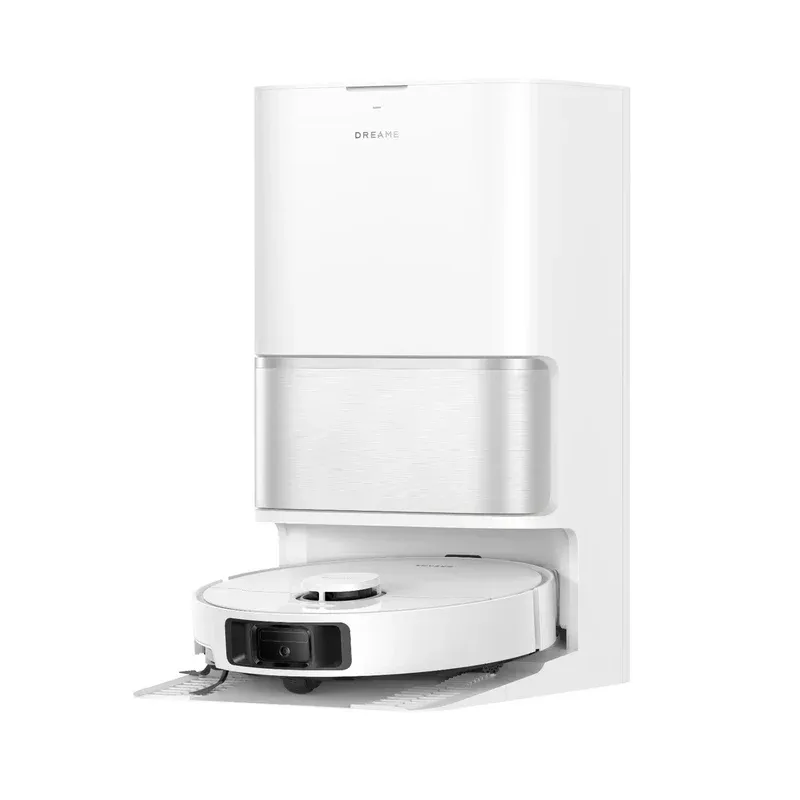
But here's the thing - Dreame's approach actually makes a lot of sense for most users. The L10s Ultra, for example, might not have Roborock's premium finish, but it includes a self-washing mop system that Roborock charges hundreds more for in comparable models. Dreame's philosophy seems to be: "Would you rather have premium plastic or premium features?"
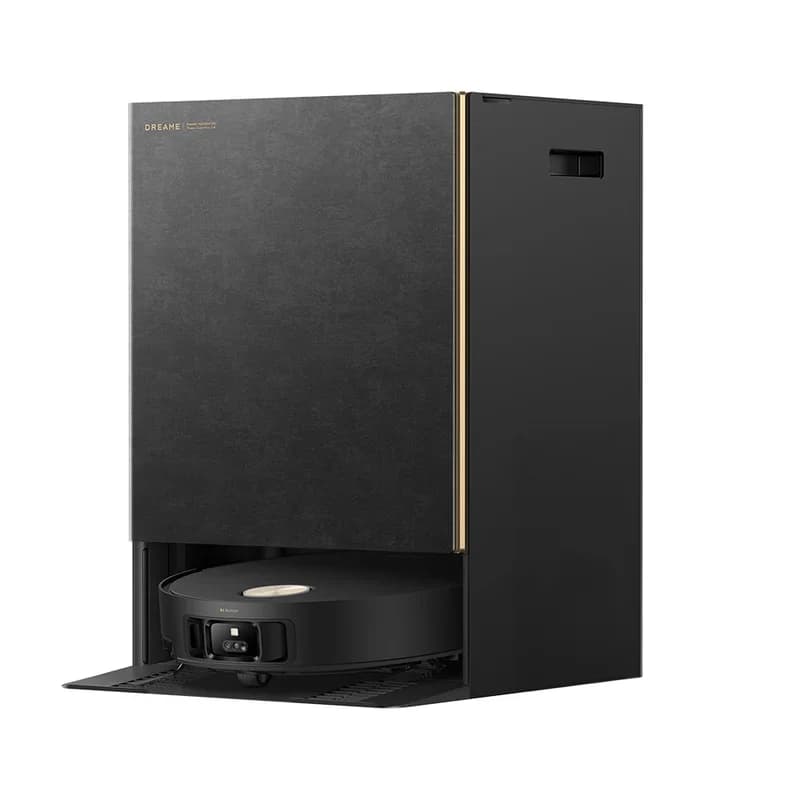
The visual design is also more modern and bold. Where Roborock sticks to safe, premium aesthetics, Dreame isn't afraid to make their vacuums look futuristic. The dock designs are particularly striking - they look like they belong in a sci-fi movie rather than hiding in your utility room.
This is where things get really interesting, because both brands are pushing the boundaries of what robot vacuums can "see" and understand about your home.
Roborock built their reputation on navigation that just works. Their LiDAR systems create detailed maps, and multi-floor recognition is seamless - carry the vacuum upstairs and it automatically loads the correct floor plan.
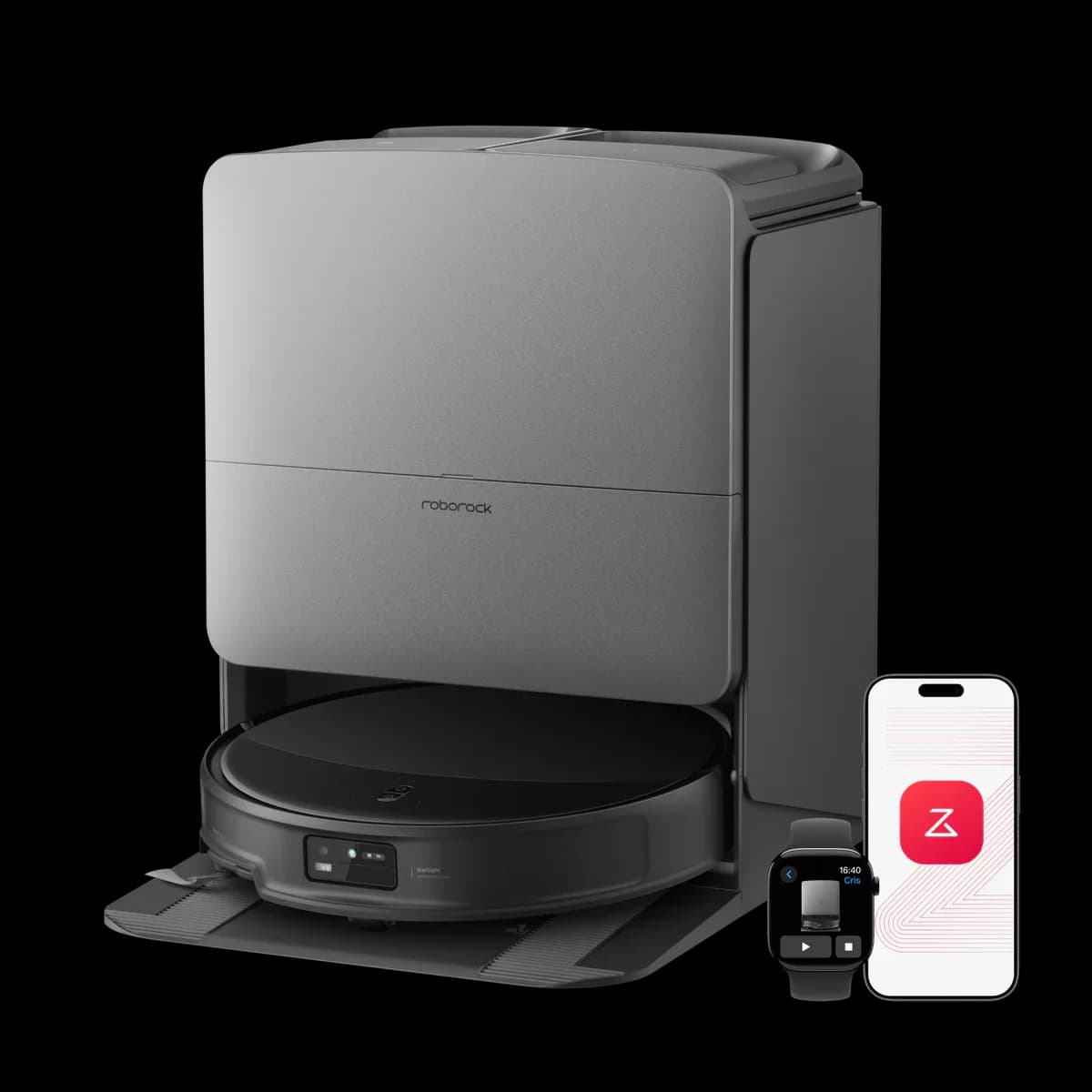
What varies across the lineup is obstacle avoidance. Budget models use basic reactive sensors, while mid-range and premium models add AI-powered object recognition that can distinguish a shoe from a cable and route around both. Roborock's newest navigation system, StarSight, uses 3D Time-of-Flight sensors instead of a traditional LiDAR tower - allowing for a slimmer profile while improving precision. Their top-tier models can now identify and avoid objects as small as 2cm.
The app ties it all together. You get real-time cleaning routes, the ability to set no-go zones, and on models with advanced obstacle avoidance, a log of what the vacuum detected and avoided. It's practical intelligence rather than gimmicky - the kind of mapping that lets you start a cleaning cycle and forget about it.
Dreame's approach to navigation is where their "disruptor" philosophy really shines. While Roborock perfected traditional LIDAR, Dreame said "what if we add cameras and AI to the mix?" The result is navigation that can identify specific objects, not just avoid them.
The L50 Ultra, for example, doesn't just see a small object on the floor - it can tell the difference between a sock, a toy, and a pet accident. This isn't just convenient; it fundamentally changes how you can use the vacuum. You don't need to do a full floor pickup before running it because the vacuum is smart enough to work around temporary obstacles.
Dreame's AI also enables some genuinely useful features that feel like science fiction. Their newer models can identify different floor types and automatically adjust suction power. They can recognize pets and adjust cleaning patterns to avoid disturbing sleeping dogs or cats. Some models even take photos of obstacles they encounter, so you can see exactly why the vacuum couldn't clean a particular area.
The trade-off? All this AI processing sometimes makes Dreame vacuums slightly slower to complete their initial mapping, and the cameras raise privacy concerns for some users. But when it works well, it's genuinely more intelligent than traditional LIDAR-only systems.
All the smart features in the world don't matter if the vacuum can't actually clean your floors effectively. So how do these brands stack up when it comes to the basics?
Here's where the specs can be misleading. Roborock's flagship models typically advertise lower maximum suction compared to some Dreame models. But raw suction power is only part of the equation.
Roborock's strength lies in suction consistency and brush engineering. Their rubber brush systems are designed to maintain contact with the floor even on uneven surfaces, which means that "lower" suction power is actually more effective at debris pickup. The brush system on many Roborock models can pull embedded pet hair out of medium-pile carpet at a much better rate than many higher-suction competitors.
Dreame takes a more aggressive approach with actual suction power, and it shows in their ability to deep-clean carpets. The carpet boost mode on many Dreame models can rival dedicated carpet cleaners for removing ground-in dirt. However, this comes with increased noise levels and battery drain that some users find problematic.
For hard floors, both brands perform very well, but with different strengths. Roborock excels at fine dust and consistent coverage, while Dreame's higher suction tends to make quick work of larger debris like cereal or pet food.
Both brands now rely heavily on dual spinning mop pads across most of their lineups - pads that rotate at high speed while applying downward pressure to scrub floors. It's effective technology that both have refined over multiple generations, with features like auto-lifting on carpet, hot water washing in the dock, and extending mop arms for edge cleaning.
Where they diverge is at the premium end, where each brand is experimenting with what comes next.
Roborock recently introduced their first roller mop with the Qrevo Curv 2 Flow - a roller that continuously rinses itself as it cleans, claiming 2.5x the pressure of their standard spinning pads. Dreame's Aqua10 series takes a similar approach with AquaRoll technology, a continuous-clean roller that sprays fresh water, scrubs, and squeezes out dirty water in real time. Dreame's Matrix10 Ultra pushes even further with a Multi-Mop Switching Dock that automatically swaps between different mop types for different rooms.
The trade-off with these advanced systems is complexity. More moving parts in the dock, more maintenance, more potential failure points. For most users, the proven spinning mop technology that both brands offer across their mid-range and premium models will handle daily messes just fine.
The app experience can make or break your relationship with a robot vacuum. Both brands have invested heavily in their software, but with different priorities.
The Roborock app feels like it was designed by people who actually use robot vacuums daily. It's not the flashiest interface, but everything works exactly as you'd expect. Creating no-go zones is intuitive, scheduling is straightforward, and the map editing tools are precise without being overwhelming.
What really sets the Roborock app apart is its reliability. Features that work today will work the same way next month. Updates add functionality without breaking existing features. The multi-floor management is particularly well-implemented - you can easily switch between floors and manage different cleaning schedules for each level.
The app also excels at providing useful information without information overload. You can see exactly where the vacuum cleaned, how long each room took, and what obstacles it encountered, all presented in a way that's actually useful for optimizing future cleanings.
The Dreame app is where you really see their "move fast and break things" philosophy in action. It's packed with features that feel cutting-edge - AI object recognition settings, advanced mop cleaning customization, etc.
The AI features in particular are impressive when they work well. You can see photos of obstacles the vacuum encountered, adjust how it responds to different object types, and even create custom cleaning strategies based on the AI's understanding of your home layout.
But this innovation comes with growing pains. The app interface can feel overwhelming to new users, with multiple sub-menus for advanced features that most people will never use. Updates sometimes introduce new bugs alongside new features, and some of the AI-powered features work better in theory than in practice.
The good news? Dreame updates their app frequently, and they're responsive to user feedback. Features that are buggy in one release are often fixed within weeks. But if you prefer stable, predictable software, Roborock's more conservative approach might be more appealing.
Understanding each brand's lineup strategy helps explain why they appeal to different types of users.
Roborock segments their lineup across four distinct series.
What's smart about this approach is that even the "budget" Q series feels premium compared to truly cheap robot vacuums. You're getting app control, intelligent route planning, and voice assistant integration across the entire lineup. The pricing is predictable but high - flagship models consistently launch above $1,000, sometimes approaching $1,500+ with all accessories.
Dreame has moved beyond pure price competition, though value remains central to their identity. Their lineup now spans five active series.
Dreame still undercuts Roborock at most price points, but the gap has narrowed as both brands expand their lineups. A main trade-off is less predictable pricing - Dreame models often see significant discounts within months of launch, which is great for bargain hunters but frustrating if you buy at full price.
The robot vacuum you buy today needs to work well for years, not just months. How do these brands handle the long-term ownership experience?
Roborock's premium positioning extends to their parts strategy. Replacement brushes, filters, and mop pads are readily available through multiple channels, and the quality is consistent. A set of replacement brushes might cost $30-40, but they're engineered to last 6-12 months of regular use.
The downside? Roborock parts aren't cheap, and they don't offer much in the way of budget alternatives. You're paying premium prices for the entire ownership experience, not just the initial purchase.
Dreame takes a more pragmatic approach to parts pricing. Replacement components are generally 20-30% less expensive than Roborock equivalents, and they're more willing to offer value-oriented options alongside premium parts. The trade-off is that cheaper parts might not last quite as long, but the math often works out in your favor.
Both brands have good parts availability, but Roborock has a slight edge in terms of long-term support for older models. They tend to keep parts in stock longer after discontinuing models.
This is where Roborock's premium positioning really shows. Their customer support is generally excellent - knowledgeable representatives, reasonable response times, and a willingness to stand behind their products even when issues occur outside warranty periods.
Roborock's warranty coverage is also more comprehensive. They cover more components for longer periods, and their warranty replacement process is straightforward. If your LIDAR sensor fails after 12 months, they'll likely replace the entire unit rather than trying to repair it.
Dreame's support quality has improved dramatically over the past few years, but it's still not quite at Roborock's level. Response times can be longer, and the support experience varies more depending on your region. However, Dreame has been investing heavily in support infrastructure, and the gap is closing.
After all this analysis, the choice between Dreame and Roborock usually comes down to matching their strengths with your specific priorities and budget.
Here's the honest truth: both Dreame and Roborock make excellent robot vacuums, just with different philosophies about what "excellent" means. Roborock built their reputation on being the premium choice that never disappoints. Dreame earned theirs by democratizing advanced features and pushing innovation forward faster than anyone expected.
If you're the type of person who researches purchases for months and wants something that will work exactly the same way for years, Roborock's proven track record and premium engineering are worth the extra cost. If you're excited by new technology and want the most features for your budget, Dreame's aggressive value proposition is hard to beat.
The market is better because both approaches exist. Roborock keeps pushing the boundaries of build quality and reliability, while Dreame ensures that cutting-edge features don't stay locked behind premium price points forever. No matter which brand you choose, you're getting a robot vacuum that would have seemed like science fiction just a few years ago.