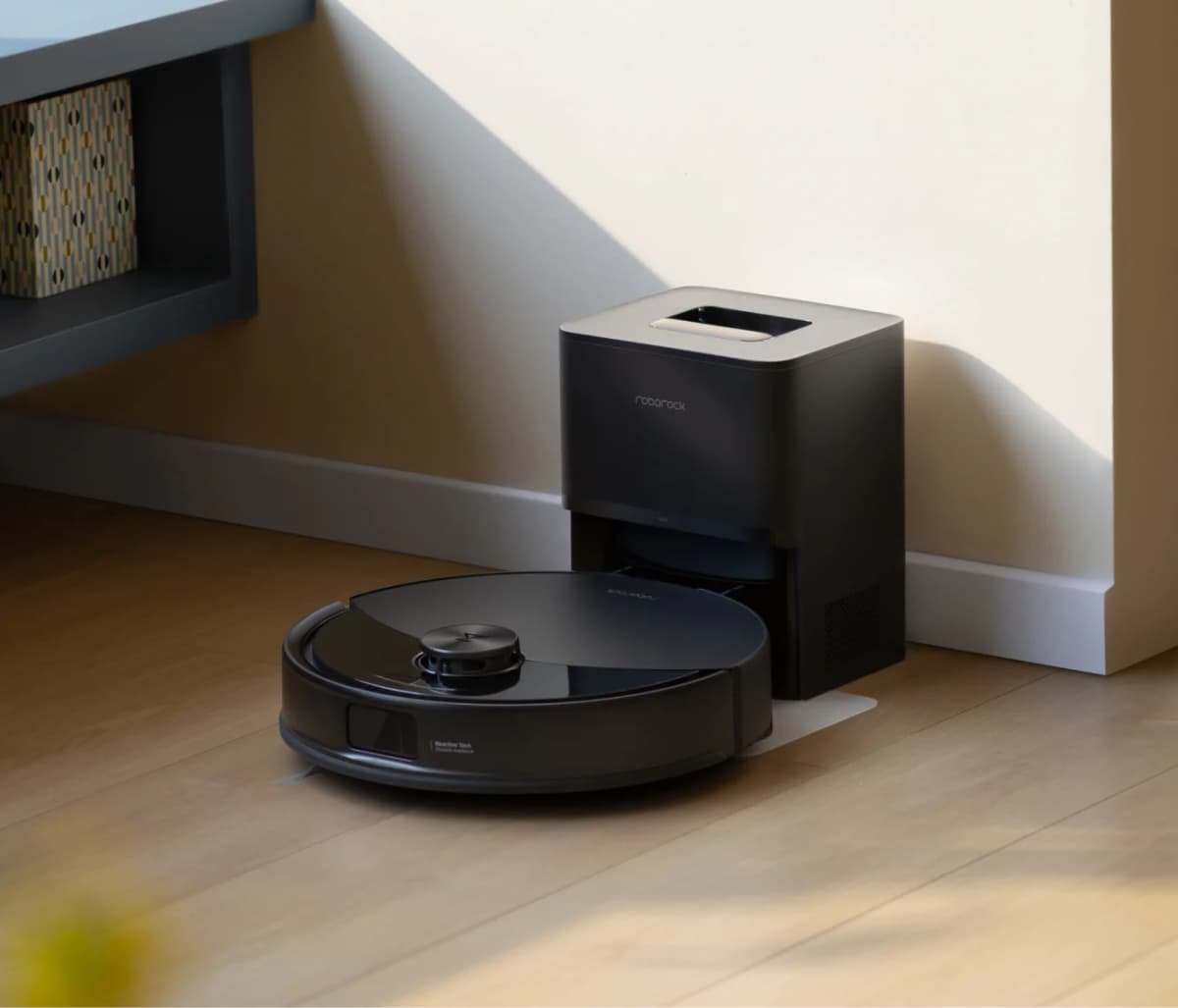
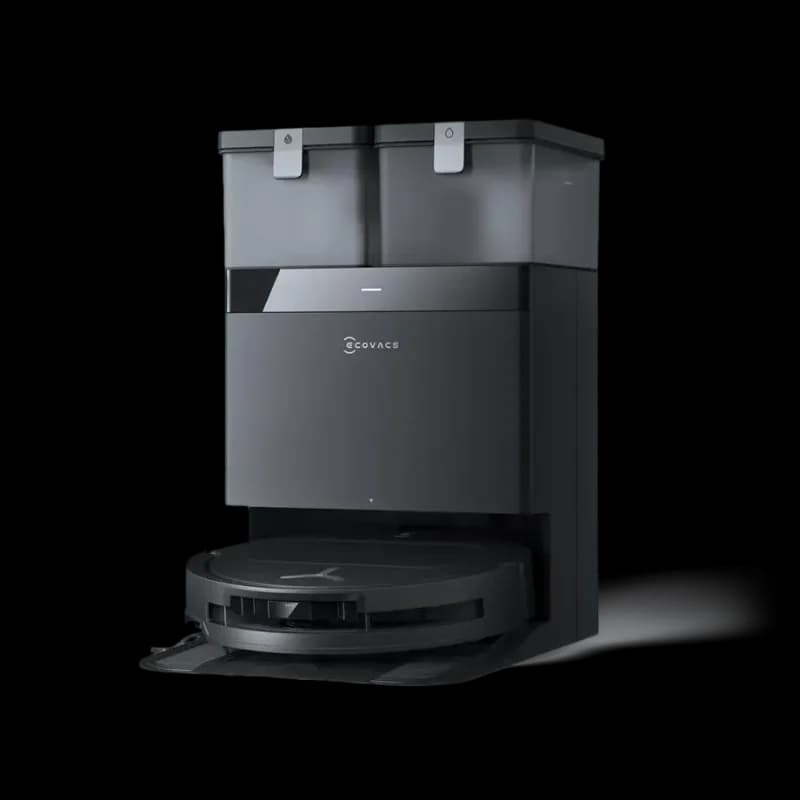
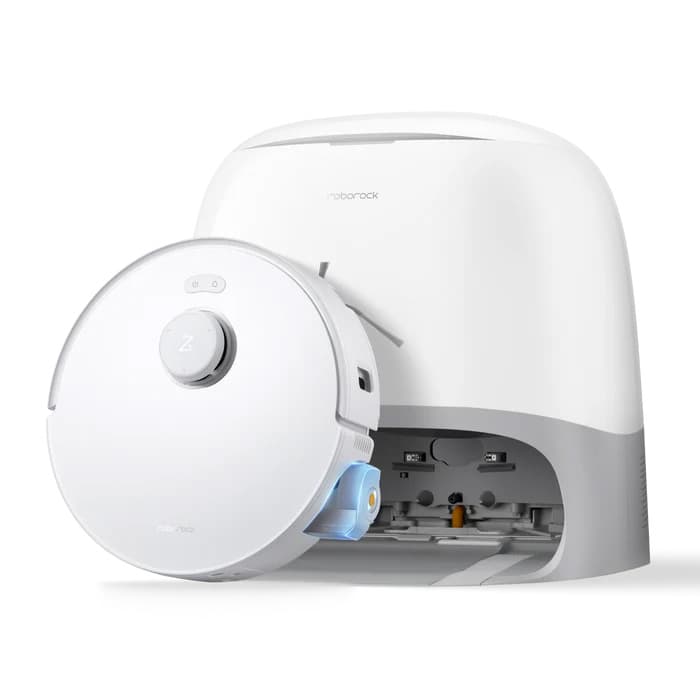
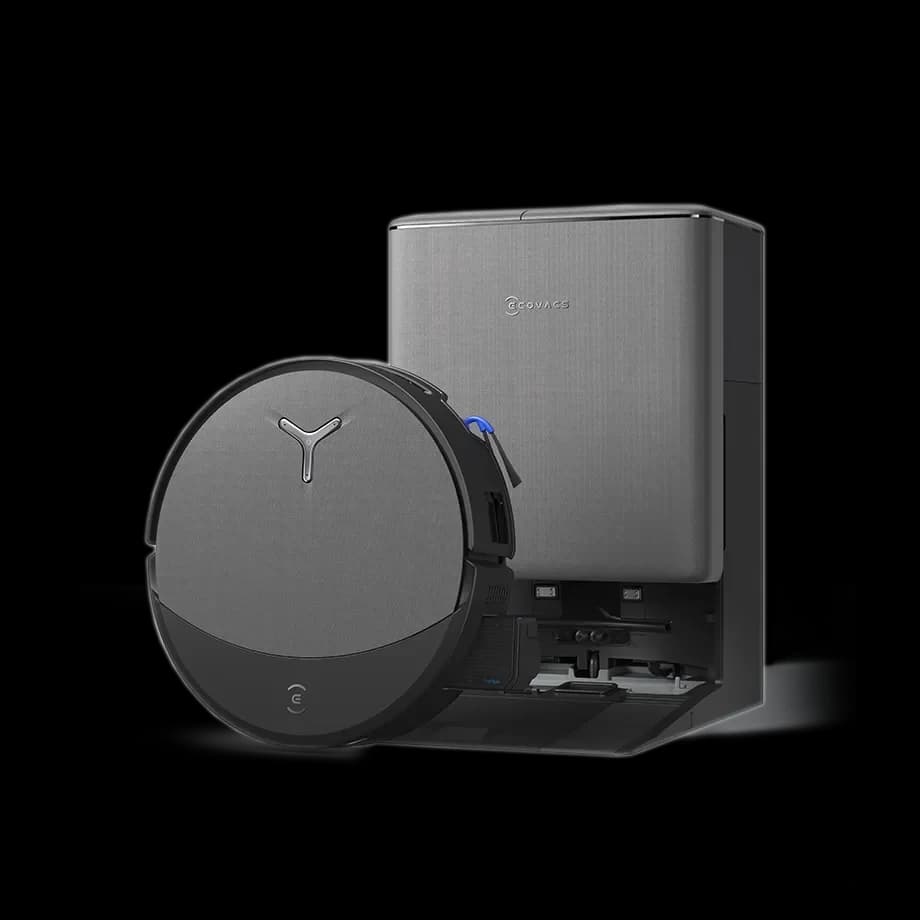
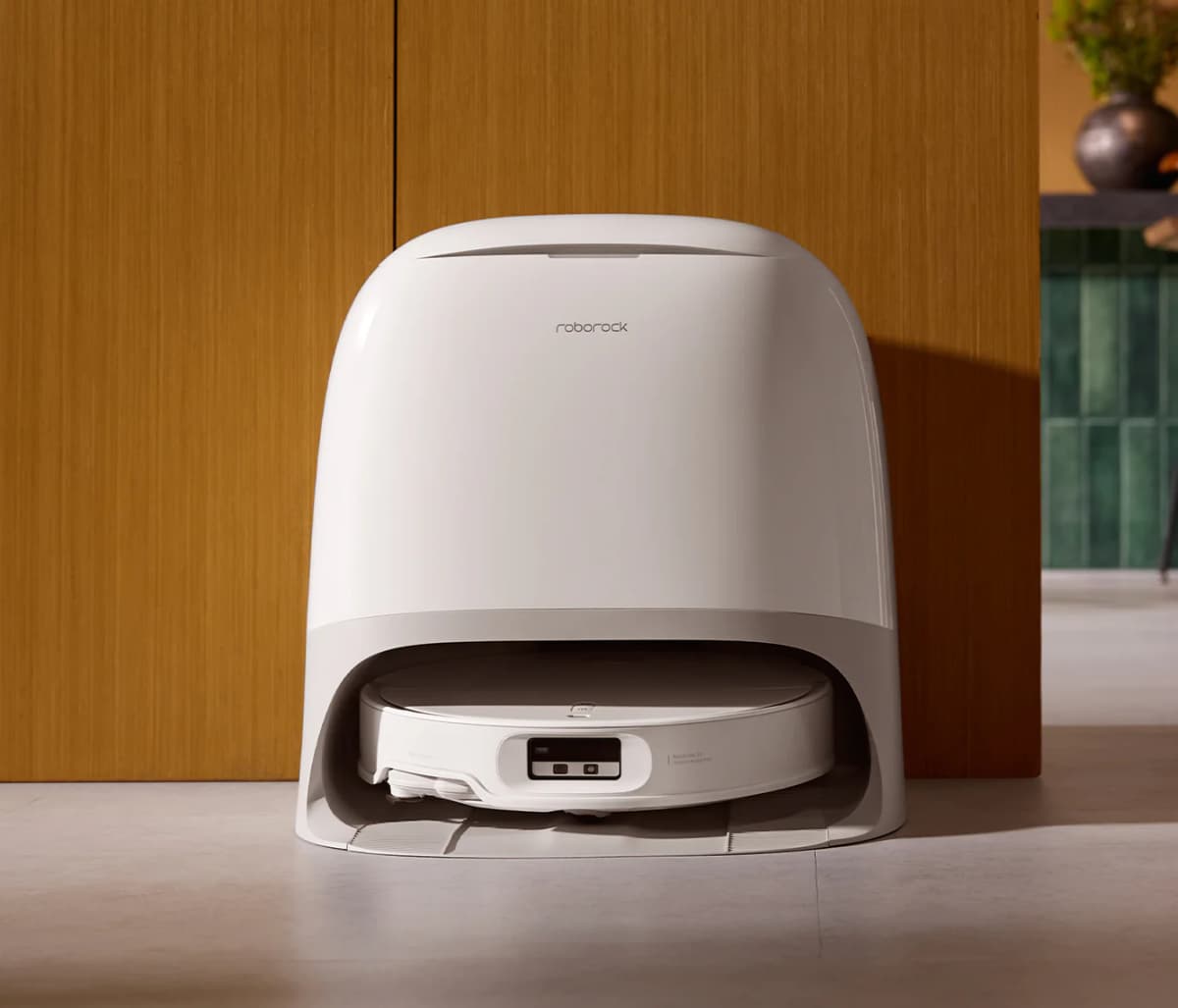
Here's something that would've seemed surprising five years ago: two Chinese brands now absolutely dominate the global robot vacuum market. Roborock and Ecovacs didn't just compete with established names like iRobot - they've heavily outpaced them with better technology, smarter features, and more reasonable prices.

But here's the thing about having two excellent options: choosing between them gets a lot harder. Both brands make genuinely impressive robot vacuums, but they take fundamentally different approaches to almost everything - from navigation tech to product strategy.
Both brands make great vacuums, but the "right" choice depends heavily on what you actually need from your robot.
We'll dig into everything that matters: navigation systems, cleaning performance, product lineups, long-term ownership costs, and ultimately, which brand makes the most sense for different types of users. By the end, you'll know exactly which direction to go.
Let's start with some context about how these companies became the powerhouses they are today. Understanding their different approaches helps explain why their products feel so different to use.
Roborock's story is pretty fascinating. The company started in 2014 as part of Xiaomi's ecosystem - you know, the Chinese tech giant that makes everything from smartphones to rice cookers. For the first few years, Roborock was essentially Xiaomi's robot vacuum division, creating the Mi Robot Vacuum series.
But here's where it gets interesting: in 2017, Roborock went independent and started building their own brand identity. Instead of trying to compete on price alone, they decided to go premium. Their strategy was simple but risky - create flagship models with cutting-edge features and charge accordingly.
It worked. Models like the S7 and S8 Pro Ultra put them on the map globally, and their latest Saros series has pushed innovation even further - we're talking retractable LiDAR, detachable mop pads, and even a robotic arm that moves obstacles out of the vacuum's path. Roborock's approach is almost Apple-like: a focused product lineup where each series serves a clear purpose, and even the budget models share core technology with the flagships.
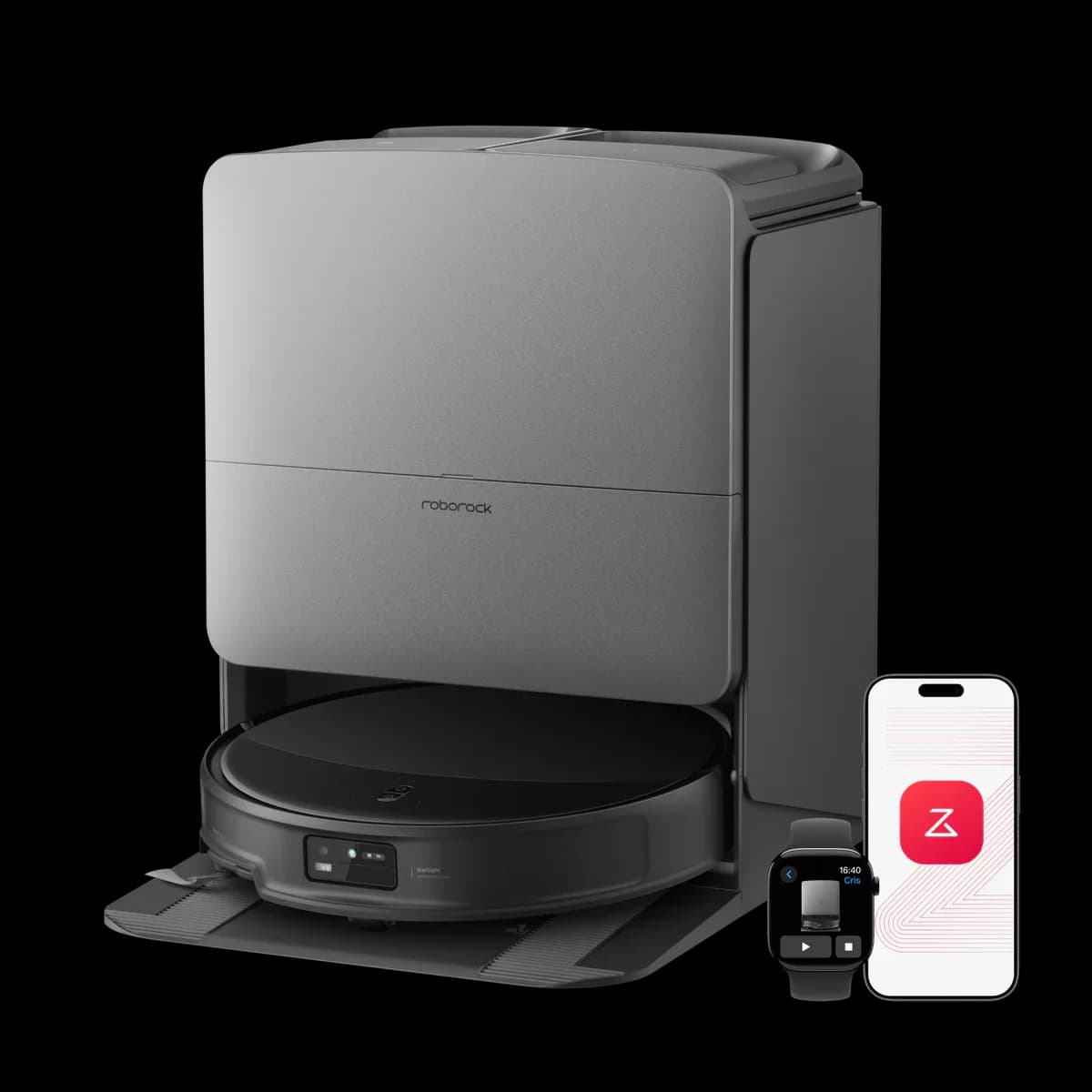
Today, Roborock organizes their lineup into four clear series - Q (budget), S (mid-range), Qrevo (premium), and Saros (ultra-premium) - covering everything from around $250 up to about $2,600. They've built a reputation for reliability, consistent performance, and industry-leading software support across their entire range.
Ecovacs took a completely different path. Founded in 1998 (making them the older company by far), they've always been focused on volume and market coverage. Their philosophy seems to be: "Whatever your budget is, we've got a robot vacuum for you."
Ecovacs has models starting around $200 and going up past $1,500. They're not afraid to make budget vacuums that skip premium features, and they're equally willing to stuff their high-end models with every bell and whistle they can think of.
This strategy has made them incredibly successful globally - they've ranked #1 by market share in China for ten consecutive years, and the Deebot series covers every price point. Their product families include the N series (budget), T series (mid-range), and X series (premium), each with multiple variants and bundles.
The trade-off? Quality and support can be more inconsistent across their range. Their budget models feel budget, while their premium models genuinely compete with anyone. It's a broader tent, but that means more variation in the experience - something worth keeping in mind as you shop.
Here's where things get really interesting, because navigation is what separates modern robot vacuums from the old "bump around randomly" models. Both brands use smart mapping, but their approaches are noticeably different.
Roborock is absolutely committed to LiDAR navigation, and honestly, it shows. LiDAR (Light Detection and Ranging) uses laser sensors to map your home in real-time, creating incredibly precise floor plans. What stands out about Roborock's implementation is how consistent it is across their entire lineup.
Whether you're looking at a $280 Q5 Max+ or the $1,300 Qrevo Curv 2 Flow, the navigation feels remarkably similar. Every single Roborock model uses LiDAR-based navigation - even their most affordable options. The vacuum creates accurate maps on the first cleaning run, rarely gets confused by furniture changes, and navigates in logical, efficient patterns.
Their premium models take this further with StarSight 2.0 navigation, which combines LiDAR with time-of-flight sensors and an RGB camera for obstacle detection. The Saros 10R earned widespread recognition for best-in-class obstacle avoidance in 2025 testing, weaving around cables, toys, and low-lying furniture without hesitation.
The newest Saros models also feature RetractSense technology - the LiDAR turret actually retracts into the robot's body, dropping the height so it can slide under low-clearance furniture while still maintaining navigation accuracy. It's the kind of thoughtful engineering detail that makes Roborock feel a step ahead.
The real-world benefit? Faster cleaning cycles and better coverage. Most Roborock models clean efficiently in logical patterns, and their adaptive route algorithms mean the vacuum gets smarter about your home's layout over time.
Ecovacs has made significant strides with their navigation technology, though the experience varies more across their lineup. Their higher-end Deebot models now use AIVI 3D 3.0 (Artificial Intelligence and Visual Interpretation), which combines LiDAR with 3D structured light sensors and AI for obstacle recognition.
The cool thing about Ecovacs' approach is their focus on "limitless" obstacle recognition. Rather than matching objects against a pre-trained database, their AIVI 3D 3.0 system analyzes obstacle positions and shapes in real-time, identifying contours so the robot can clean along objects without collision. When it works well, it's genuinely impressive.
Ecovacs has also experimented with front-facing LiDAR systems on newer models, eliminating the traditional top-mounted bump that prevents some robots from fitting under furniture. It's a clever solution, though independent testing has shown some quirks - the system can occasionally be overly cautious about clearance, skipping areas the robot could actually reach.
Where Ecovacs navigation sometimes falls behind is consistency. Their premium X-series models navigate beautifully, but step down to mid-range or budget models and you'll notice a more meaningful drop in navigation intelligence compared to stepping down Roborock's lineup, where even budget Q-series models use the same core LiDAR system.
Both brands have gotten pretty sophisticated with their mapping features, but they emphasize different things.
Roborock's app feels more like a precision tool. You can create incredibly detailed cleaning schedules, set up multiple no-go zones with pinpoint accuracy, and even tell the vacuum to clean specific rooms in a particular order. The room recognition is typically spot-on, and the app's interface is clean and intuitive.
Ecovacs' app is feature-rich but sometimes overwhelming. They pack in tons of options - different cleaning modes for different rooms, carpet detection settings, custom suction levels, and more. It's powerful, but there's definitely a learning curve compared to Roborock's more streamlined approach.
Both brands support multi-floor mapping, voice control, and automatic carpet detection across their lineups. These are standard features in 2025-era robot vacuums from either brand.
Alright, let's talk about the stuff that actually matters day-to-day - how well do these things clean your floors?
Robot vacuum suction power has absolutely skyrocketed in recent years. Roborock's current models range from around 4,200Pa on budget Q-series models to an insane 35,000Pa on the upcoming Saros 20 - their most powerful robot to date. Ecovacs covers a similar range, with their X11 OmniCyclone delivering 19,500Pa internationally and the latest models pushing even higher.
For context, even the budget end of that range is more than enough for daily cleaning on most floor types. The ultra-high suction numbers matter most for deep carpet cleaning and heavy debris.
Roborock has adopted the DuoDivide anti-tangle brush system on their newer models - a single roller design split in the middle that channels hair toward the suction port instead of wrapping around the brush. It works remarkably well. Their premium models also feature extending side brushes that reach further into corners and along edges.
Ecovacs takes a different approach with their ZeroTangle 3.0 system, using a V-shaped roller with detangling combs inside the housing. Some models also use their BLAST suction technology, which detects when hair is getting caught and boosts suction to clear it. Both solutions work, but Roborock's DuoDivide has shown slightly more consistent results in independent testing across different hair types.
In practice, both brands clean hard floors very well. On carpet, independent tests showed Roborock's Saros 10R and Ecovacs' X8 Pro Omni performing neck-and-neck on high-pile carpet, with both brands representing a major improvement over previous generations. Roborock tends to perform more predictably across different carpet types, while Ecovacs' models can sometimes excel on specific surfaces but show more variance.
If you've got pets, performance here can make or break your experience.
Roborock has really nailed the anti-tangle game. Their DuoDivide brush design does an impressive job with long pet hair, and independent testing has shown their newer models achieving a 0% hair tangle score - meaning the brush stays completely clear during cleaning. This is a big deal for pet owners who don't want to spend time cutting hair out of the brush roll.
Their filtration is solid across the lineup - most models include HEPA-level filters that capture allergens effectively. The auto-empty bases on their premium models are genuinely helpful for pet owners, since you're not constantly exposed to pet dander when dealing with the dustbin.
Ecovacs approaches this well on their premium models. The ZeroTangle 3.0 system is effective at preventing hair tangles, and the X-series models have consistently strong pet hair pickup scores. Their mid-range and budget models, however, can struggle more with heavy shedding situations.
For heavy pet hair situations, Roborock's consistency across their entire lineup gives them the edge. You don't have to buy their most expensive model to get reliable anti-tangle performance - even their mid-range options handle pet hair well.
Here's where the comparison gets really interesting, because both brands have invested heavily in mopping technology — but with very different philosophies.
Roborock pioneered the auto-lifting mop system. When the vacuum detects carpet, it raises the mop pad so it doesn't drag wet fabric across your rugs. Their newer Saros models take this further with detachable mop pads - the robot actually leaves its mop pads at the dock when it needs to vacuum carpets, then picks them back up for hard floor areas. Their VibraRise system uses sonic vibration for mopping, while their Qrevo-style models use dual spinning mop heads for more aggressive scrubbing.
And now Roborock is entering roller mop territory too. The Qrevo Curv 2 Flow is Roborock's first model to feature a roller mopping system - a significant move that puts them in direct competition with Ecovacs' OZMO Roller approach. The Curv 2 Flow pairs the roller mop with 20,000Pa suction and a self-cleaning dock, signaling that Roborock sees roller mopping as more than a niche feature. It delivered strong vacuum performance and excellent hair resistance in independent testing, though its roller mopping scored below average on stain removal compared to established roller mop competitors - not surprising for a first-generation implementation.
Ecovacs, meanwhile, has a much bigger head start with their OZMO Roller system. Instead of traditional mop pads, their premium models use a continuously self-washing roller mop that rinses itself during operation. The idea is that the mop stays fresh throughout the cleaning cycle, preventing the common problem of just spreading dirty water around. Their latest OZMO Roller 3.0 features a 26cm roller that's 50% longer than the previous generation, with pressurized self-washing through 16 nozzles. Ecovacs has been refining this technology across multiple product generations now, and it shows - their roller mopping performance is currently ahead of Roborock's first attempt.
Both brands' mopping systems work well, but for different situations. Roborock's pad-based systems (VibraRise and spinning mops) are better for homes with mixed flooring - carpet and hard floors together - thanks to the mop lifting and detachment features. Ecovacs' OZMO Roller technology excels at continuous hard floor mopping, keeping the roller cleaner throughout the session for more consistent results on large hard floor areas. The Qrevo Curv 2 Flow narrows that gap on the Roborock side, but Ecovacs still holds the roller mopping edge for now.
The auto-empty and auto-wash stations from both brands are genuinely impressive. Roborock's tend to be more reliable with hot water mop washing and heated drying. Ecovacs' premium docks often include extras like the bagless PureCyclone dust collection system (which eliminates the need for replacement dust bags) and PowerBoost charging that tops off the battery during dock cleaning cycles.
Let's break down what you actually get from each brand at different price points, because this is where their different strategies become really obvious.
Roborock keeps their lineup organized into four clear series:
Q Series: Budget-friendly models that still include LiDAR navigation, Reactive Tech obstacle avoidance, and basic mopping. The Q5 Max+, Q10, and QV models live here. Even at this level, you get the same core navigation as their premium models - you're mainly giving up advanced obstacle avoidance, premium mopping features, and full dock automation. The new QV models are the first Q-series to include mop washing and drying automation.
S Series: The mid-range workhorse line that built Roborock's reputation. Solid all-around performers with better mopping and more refined features than the Q series.
Qrevo Series: Premium models with advanced mopping, full dock automation, and features like the ultra-slim profile on the Qrevo Curv 2 line. These are the sweet spot for most users who want the best experience without going ultra-premium.
Saros Series: Roborock's cutting-edge flagship line. The Saros 10 and 10R feature retractable LiDAR and StarSight 2.0 navigation. The Saros Z70 includes a robotic arm that picks up small obstacles like socks and tissues. And the Saros 20 pushes the envelope with 35,000Pa suction, an adaptive chassis that crosses thresholds up to 85mm, and the most advanced mopping system Roborock has ever made.
The nice thing about Roborock's approach is that even their entry-level models feel like proper smart vacuums. The navigation foundation is shared across the entire lineup, and quality feels consistent regardless of price point.
Ecovacs spreads their lineup much wider:
N Series: Budget models with basic navigation and adequate cleaning. Good for simple apartments and straightforward layouts. Don't expect premium features here.
T Series: The mid-range family that's gotten increasingly competitive. The newer T90 Pro Omni features OZMO Roller mopping and PowerBoost Charging - technologies that were previously exclusive to Ecovacs' flagship line.
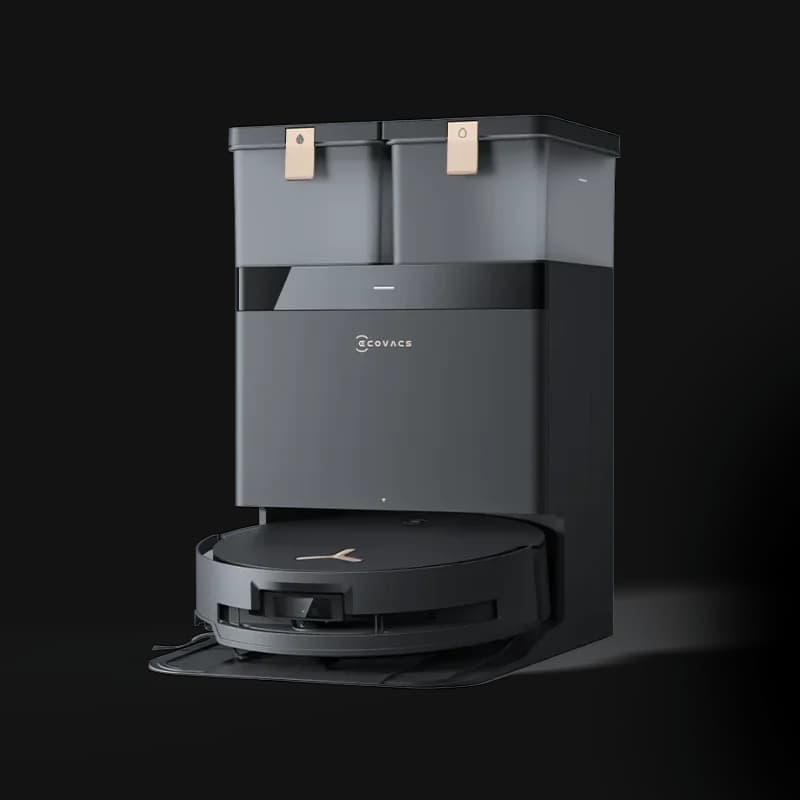
X Series: Ecovacs' premium tier. The X8 Pro Omni, X9 Pro Omni, and X11 OmniCyclone live here, featuring the most advanced AIVI navigation, OZMO Roller mopping, and comprehensive OMNI docking stations. The X11 OmniCyclone won a CES 2026 Innovation Award for its GaN fast-charging, bagless PureCyclone dock, and on-device AI intelligence.
This gives you more options, but it also means more research. The gap in experience between a $200 Ecovacs and a $1,200 Ecovacs is much larger than the gap between a $280 Roborock and a $1,300 Roborock. That's the fundamental difference in their approaches - Roborock maintains a higher floor across their lineup, while Ecovacs offers more range at the cost of consistency.
Here's the stuff nobody talks about when you're shopping, but definitely matters after you've owned your robot vacuum for a year or two.
Roborock has gotten very good about parts availability, especially for their popular models. Brushes, filters, mop pads, and dust bags are widely available both from Roborock directly and through third-party suppliers. Prices are reasonable - a set of maintenance parts typically runs $30-50 and lasts 3-6 months.
The nice thing about Roborock's more focused product lineup is that parts often work across multiple models within a series. Components are more interchangeable, and because Roborock doesn't discontinue models as rapidly, you're less likely to find yourself hunting for parts a year or two after purchase.
Ecovacs is more hit-or-miss here. Parts for their current popular models (like the X8 Pro Omni and X11 series) are easy to find and reasonably priced. But Ecovacs tends to release new models quickly and discontinue others just as fast, which can make finding parts for older or lower-volume models frustrating.
One area where Ecovacs' premium models have an advantage: the bagless PureCyclone system on the X11 OmniCyclone eliminates the ongoing cost of replacement dust bags entirely. If you're looking to minimize consumable costs long-term, that's worth considering.
This is actually a big deal for robot vacuums, because software updates can genuinely improve cleaning performance, add new features, and fix annoying bugs.
Roborock has an excellent track record here. Models that are 2-3 years old still receive regular updates, often adding features that weren't available at launch. Their commitment to long-term software support is one of their strongest selling points - when you buy a Roborock, you know it's going to keep getting better over time.
Ecovacs is more inconsistent. Their flagship models get regular updates and solid support, but mid-range and budget models often receive minimal post-purchase attention. Customer service has also been a mixed bag - while many users report positive experiences, there's a notable volume of complaints about slow response times, repair delays, and warranty handling that's hard to ignore.
Roborock generally gets better marks for customer support responsiveness and consistency. It's not that Ecovacs is terrible, but Roborock sets a higher bar here.
Here's the honest truth: Roborock is the better overall brand for most people, but Ecovacs still makes excellent vacuums that deserve consideration in specific situations.
Roborock's advantages come down to consistency, reliability, and long-term ownership experience. Whether you spend $300 or $1,300, you're getting a thoughtfully engineered product with excellent navigation, reliable performance, and software support you can count on. Their lineup is easier to navigate, their app is more intuitive, and their products hold up well over time.
Ecovacs wins on specific features and value at the budget end. Their OZMO Roller mopping technology is genuinely innovative, their bagless PureCyclone system is a smart solution for reducing ongoing costs, and their CES 2026 Innovation Award for the X11 OmniCyclone shows they're still pushing boundaries.
Choose Roborock if:
Choose Ecovacs if:
From Roborock's lineup, the Qrevo Curv 2 Flow is the sweet spot for anyone who wants the best overall experience. You get an ultra-slim profile with retractable LiDAR, excellent navigation, 25,000Pa suction, and a comprehensive dock - it's the robot that does everything well without the ultra-premium price of the Saros line.
If you want Roborock's best navigation and obstacle avoidance, the Saros 10R earned the best obstacle avoidance award in independent testing and features detachable mop pads for true carpet-first households.
For budget shoppers, the Q5 Max+ gives you LiDAR navigation and auto-empty functionality at a price point that's hard to beat from any brand. You won't get fancy mopping, but as a pure vacuum with smart navigation, it punches way above its weight.
From Ecovacs, the X9 Pro Omni swept multiple category awards in mid-2025 independent testing - Best Overall, Best Mop, Best for Hard Floors, Best for Carpets, and Best for Pets. With OZMO Roller mopping, ZeroTangle 3.0, and comprehensive OMNI docking, it's legitimately one of the best robot vacuums available if you're willing to invest in the Ecovacs ecosystem.
For a more affordable Ecovacs option, the T90 Pro Omni brings OZMO Roller 3.0 mopping and PowerBoost Charging into a more accessible price point - it's positioned as the best way to get Ecovacs' advanced mopping technology without stepping into the flagship tier.
Both Roborock and Ecovacs make robot vacuums that would've seemed like science fiction just a few years ago. We're talking about machines with ultra-high suction power, robotic arms that pick up your socks, retractable LiDAR systems, and self-washing roller mops - the category has come incredibly far.
But honestly, which brand would we recommend to the average buyer? It's Roborock. The consistency across their lineup, the quality of their software support, the intuitive app experience, and the reliability of their products over time give them the edge. You don't have to become a robot vacuum expert to pick the right Roborock - the lineup makes sense, and the quality is there at every price point.
Ecovacs makes excellent premium products and offers more variety at the budget end, so they're absolutely worth considering if their specific strengths align with your needs. Their OZMO Roller mopping technology is genuinely innovative, and their flagship models compete with the best in the industry.
The best approach? Start with your budget and your floor types. If you've got mixed flooring or want the most reliable long-term experience, Roborock is your best bet. If you've got mostly hard floors and want cutting-edge mopping technology, Ecovacs' premium models are worth a look.
Either way, you'll end up with a robot that does the vacuuming so you don't have to - and honestly, that's what matters most.